If you want to see Milan without wasting time crossing the city, group activities by area. Start with the Duomo and historic centre, add Brera and the Pinacoteca if art interests you, then use Isola as a separate dining district. Milan’s tourism office presents these same areas as practical parts of a one-day plan, while noting that many main attractions can be reached on foot and longer journeys can use public transport. See Milan’s official one-day itinerary before fixing your route.
Your first decision is simple: stay in one central cluster for a compact day, or add a second area for more variety. Choose the central route if this is your first visit or you prefer fewer transitions. Add Isola only when food and neighborhood atmosphere matter enough to justify another move.
In this guide 5 topics
Begin with the Duomo and historic centre
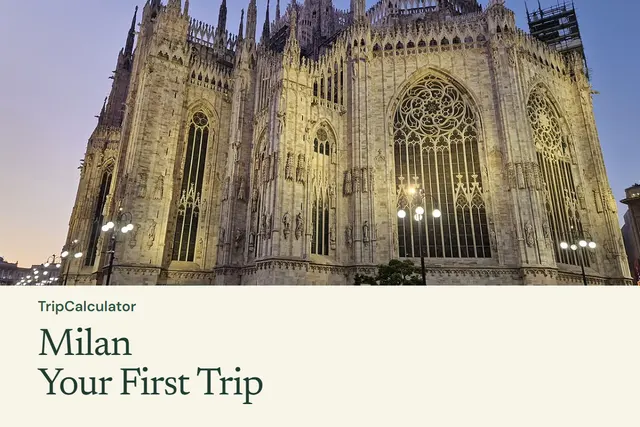
The Duomo and historic centre form Milan’s clearest starting point. This cluster suits travelers who want a recognizable city core and several central sights without building a complicated transport plan. Keep this area as your anchor if you have limited time.
Do not build your day around an assumed rooftop visit, ticket time, or opening schedule. Those details can change and were not confirmed here. Instead, treat the Duomo area as a flexible central block, then confirm any attraction access before you leave.
- Choose this area for a first look at Milan’s historic centre.
- Keep nearby plans flexible if entry timing matters.
- Use walking for short connections when practical.
Action: Put the Duomo and historic centre in your first route block, then verify any paid or timed access directly with the attraction.
Add Brera and the Pinacoteca for an art-focused day
Brera gives your plan a different emphasis from the historic centre. The official Milan itinerary groups Brera with the Pinacoteca, so this is the natural choice when you want an art-led section rather than another general sightseeing stop.
Choose Brera after the central area if art is a priority and you can give the visit enough attention. Skip it when your main goal is a short landmark-focused visit, especially if adding another district would make the day feel rushed. The choice is not about collecting more stops. It is about deciding whether art deserves a dedicated part of your schedule.
Use the guide to choosing Milan day tours if you are comparing a guided option with your own area-based plan. Check what a tour actually includes before booking, especially entry arrangements and meeting logistics.
Action: Add Brera and the Pinacoteca only if they match your interests; confirm current visiting conditions before setting a fixed time.
Save Isola for a separate dining choice
Isola works differently from the Duomo and Brera clusters. Milan’s tourism itinerary identifies it as an optional dining district, so treat it as an evening or meal choice rather than a mandatory sightseeing stop.
This makes Isola useful for travelers who want to end the day with food in a different neighborhood. It may be less useful when you have only a short window or want to keep every activity close to the historic centre. A district-based plan lets you skip Isola without losing the core of a first Milan visit.
Action: Add Isola when dining is part of your main plan; otherwise keep your day within the central clusters.
Build a route that matches your available time
Use this simple worksheet before choosing specific venues:
- Write down your available sightseeing period.
- Choose one main interest: central landmarks, art, or dining.
- Select one primary cluster and one optional cluster.
- Leave space for meals, delays, and transitions.
- Confirm access details for any place that requires a ticket or timed visit.
For an illustrative plan, a traveler with one open day could choose the Duomo and historic centre as the main cluster, Brera and the Pinacoteca as the interest-based addition, and Isola only for dinner. This is a planning example, not a timetable or promise that every stop will be open.
Milan’s official transport guidance says visitors can walk to main attractions and use public transport for longer distances. The same page also lists bike sharing, car sharing, and taxis as available transport categories, but current services and operating details need a direct check. Read Milan’s getting-around guidance before choosing a transport method.
Action: Map one main cluster first, then add only one optional area that supports your actual interest.
Before you go
Recheck attraction websites and official city guidance before visiting. Confirm opening times, admission requirements, timed-entry rules, accessibility, tour inclusions, meeting points, and transport service details. These conditions can affect whether a planned stop fits your day.
Keep a backup plan within your chosen cluster. If a timed visit does not work, you can continue with nearby area exploration instead of losing time crossing Milan. The strongest plan has a clear priority, one realistic addition, and enough flexibility to handle changed access.
Next step: Choose between a central landmark day, a central day plus Brera, or a central day plus an Isola dining stop. Then verify each specific venue before booking or visiting.
Featured photo: Square, Milan, view to cathedral apse.jpg by Gerda Arendt / CC0. Cropped and resized. Editorial title added.